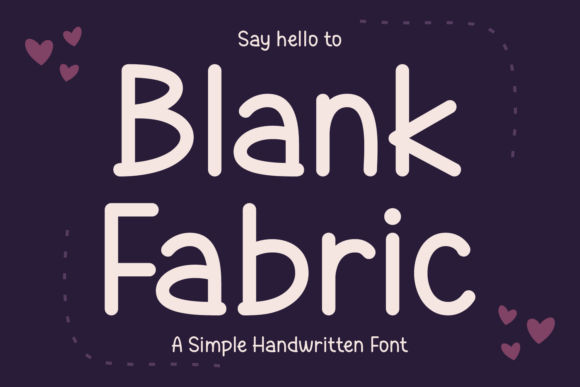
Blank Fabric: A Versatile Script Font for Editorial Design
Applications Across Content Formats
Blank Fabric is incredibly versatile and can be applied across a wide range of content formats. Here are some practical examples:
- Lifestyle Blogs: Use Blank Fabric for headers and callout boxes to add a personal touch.
- Recipe Ebooks: Apply it to titles and ingredient lists for a more inviting look.
- Wedding Guides: Incorporate it into cover text and section headings for a romantic, elegant feel.
- Coaching Workbooks: Use it for chapter openers and motivational quotes to enhance readability and engagement.
- Digital Magazines: Pair it with body text for a balanced mix of style and functionality.
- Printable Planners: Employ it for dates, reminders, and weekly themes to keep the design cohesive.
- Creator Newsletters: Feature it in subject lines and lead magnets to draw readers in.
Readability and Accessibility Considerations
When selecting a font for editorial use, readability is key. Blank Fabric performs well on screen and in print due to its clean, consistent strokes. However, it’s important to consider how it appears at different sizes and in various contexts:
- Screen Reading: Ensure sufficient contrast between the font and background to maintain legibility.
- PDF Exports: Test the font in PDFs to confirm it renders correctly and maintains its intended appearance.
- Mobile Layouts: Use larger text sizes and avoid overusing the font in small spaces to preserve readability.
- Print: Confirm that the font supports high-quality printing and maintains its aesthetic when scaled down.
Font Pairing for Editorial Success
Pairing Blank Fabric with complementary fonts can elevate your design further. For instance, pairing it with a clean serif font like Georgia or a modern sans-serif like Montserrat can create a balanced typographic composition. This combination works well for body copy, where readability is essential, while still allowing the script font to shine in headlines and accents.
For digital projects, consider using a sans-serif font for captions, navigation menus, and other secondary elements. This ensures that the primary focus remains on the content, while still maintaining a cohesive design language.
Commercial Licensing and Practical Use
Blank Fabric is designed for commercial use, making it suitable for a variety of paid projects. Whether you’re creating ebooks, templates, printables, or client publications, the font comes with the necessary licensing to support your work. Always check the included styles, alternates, ligatures, weights, and multilingual support to ensure compatibility with your specific needs.
When working with clients or publishing content online, it’s important to verify that the font supports the languages and characters required for your audience. This helps prevent unexpected formatting issues and ensures a seamless user experience.
Conclusion
Blank Fabric is more than just a font—it’s a design tool that enhances editorial layouts, strengthens brand identity, and improves reader engagement. Its natural, handwritten style brings warmth and authenticity to any project, whether it’s a lifestyle blog, a wedding guide, or a coaching workbook. By understanding how to best use this typeface in your workflow, you can create visually appealing and highly functional content that resonates with your audience.